Carnot PolyNat

PolyNat aims to create new biosourced, efficient, and innovative functional materials and systems. Our researchers draw on physicochemistry, green materials and life sciences, as well as biotechnologies to design nanostructured materials and biosourced devices with high added value using directed self-assembly and more eco-efficient processes. Thus, PolyNat responds to the European ambition to build a sustainable bioeconomy.
Key figures
| Permanent staff (full-time equivalent) | 281 |
| PhD Students | 113 |
| Global budget | 28,4 M€ |
| Partnership incomes with industry | 12,3 M€ |
Contact
PolyNat Carnot Institute
Cermav-CNRS, BP 53
38041 Grenoble Cedex 9
France
Redouane BORSALI
Director
+33 (0)6 63 71 72 57
Communication:
+33 (0)4 76 03 76 32
borsali[a]cermav.cnrs.fr Email contact
contact[a]polynat.eu
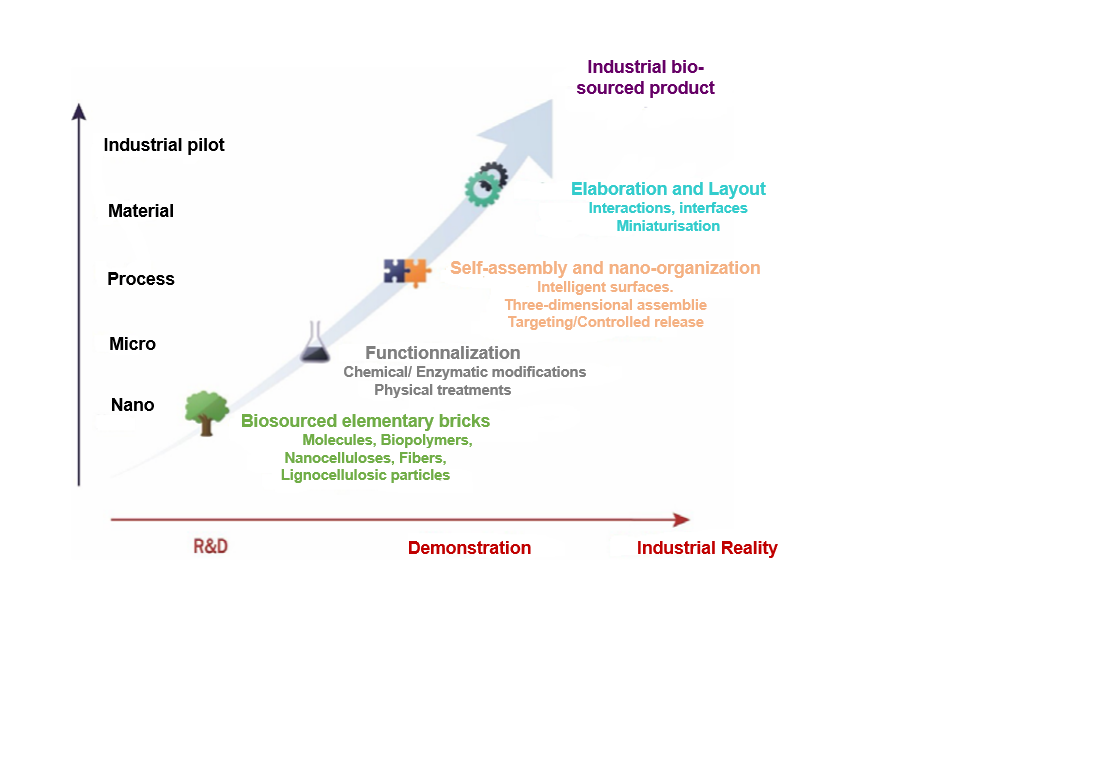
 PolyNat's research themes are based on four main areas of research scientific and technological challenges.
The first two challenges correspond to the achievement and the Functionalisation of bio-based elementary bricks by using sustainable and eco-responsible chemistry.
The third challenge focuses on the design of biomaterials structured at several scales (nano, micro, macro) and control self-assemblies for generating and/or amplifying functions to be high added value.
The fourth challenge focuses on the mastery of existing processesand formatting to adapt them to the production of biomaterials and thus facilitate industrial transfer.
Activity’s area of the Carnot PolyNat :
- Chemistry and materials
- Packaging
- Security industry
- Electronics Industry
- Energy systems
- Automotive and mobility
- Cosmetics
- Technologies for health
- Medicines
- Sport and wellness
- Fashion and Luxury
- Construction
- Transformation and valorisation of waste
- Wood
- Environment
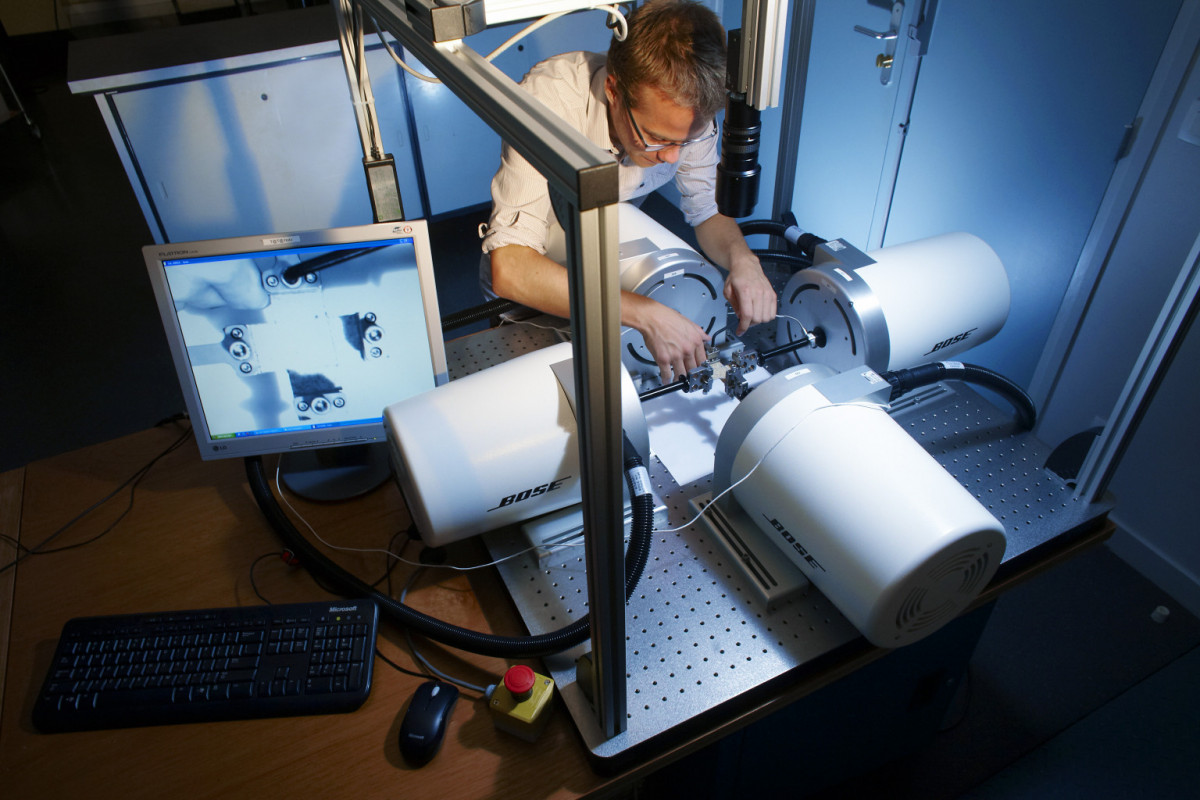
Finally, PolyNat is also working on a cross-cutting approach to these four challenges combining experimental characterization, modeling and numerical simulation.